News
Clean air essential especially when budgets are tight
20 May 2017

Every financial year facility managers and property owners are under pressure to look for ways to reduce their costs and extend the life of existing assets.
Cut backs to HVAC hygiene services are often targeted because they are perceived to have a low financial return on investment (ROI). While this may seem a sound solution, in the long-term cutting back on HVAC hygiene services can lead to low air quality, equipment failures, and in extreme cases illness.
What is certain, is that these costly results can be prevented by the systematic servicing, diligent monitoring and pragmatic reporting.
Airgene’s Operations Manager, Jason Mittenzwei comments, “Our technicians are experts in reducing the risk of contamination.”
“We take a preventative approach in line with Australian Standards to what we do,” Jason continues. “Through meticulous monitoring and reporting, we can help clients extend the lifecycle and efficiencies of their HVAC assets. In the long-term, this helps them to take control of budgeting by having a realistic and planned approach to forecasting maintenance, overhauls or replacement of assets.”
For more information on how Airgene can help you meet your HVAC hygiene budget and air quality compliance requirements, please contact Jason Mittenzwei on 1300 728 310.
Related Articles
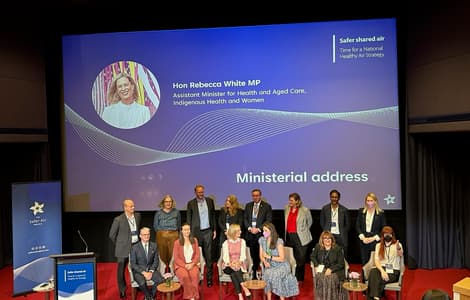
Bringing industry expertise to the national conversation
Phil Gacitua and Andrew Waugh attended the Safer Shared Air: Indoor Air, Health and Productivity Conference at Parliament House in Canberra, joining experts, health professionals, advocates, researchers, patient organisations, peak bodies and industry representatives for an important national conversation
28 October 2026
News
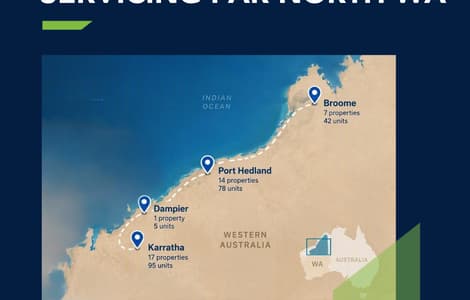
Airgene and Precise Air deliver remote cooling solution across Far North WA
Delivering services across some of Australia's most remote regions requires more than technical expertise. It takes strong partnerships, careful planning, and a commitment to quality.
14 October 2026
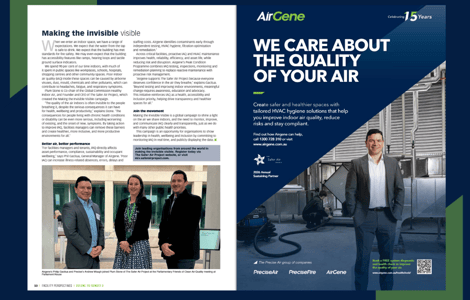
Making the invisible visible
We expect that the water from the tap is safe to drink. We expect the building has met standards for fire safety. We should expect the same of the air we breathe.
23 September 2026
News, Case Studies